The most comfortable island transfer often begins before the travel day. A short exchange with the operator or receiving property can clarify where to report, what to carry and how the handover works. Seaplane travel has its own constraints: aircraft vary in size, baggage allowances differ, and timing may depend on weather, daylight, passenger coordination and operational decisions. There is no universal checklist that overrides the operator’s instructions, but a considered plan can make the moving parts easier to manage.
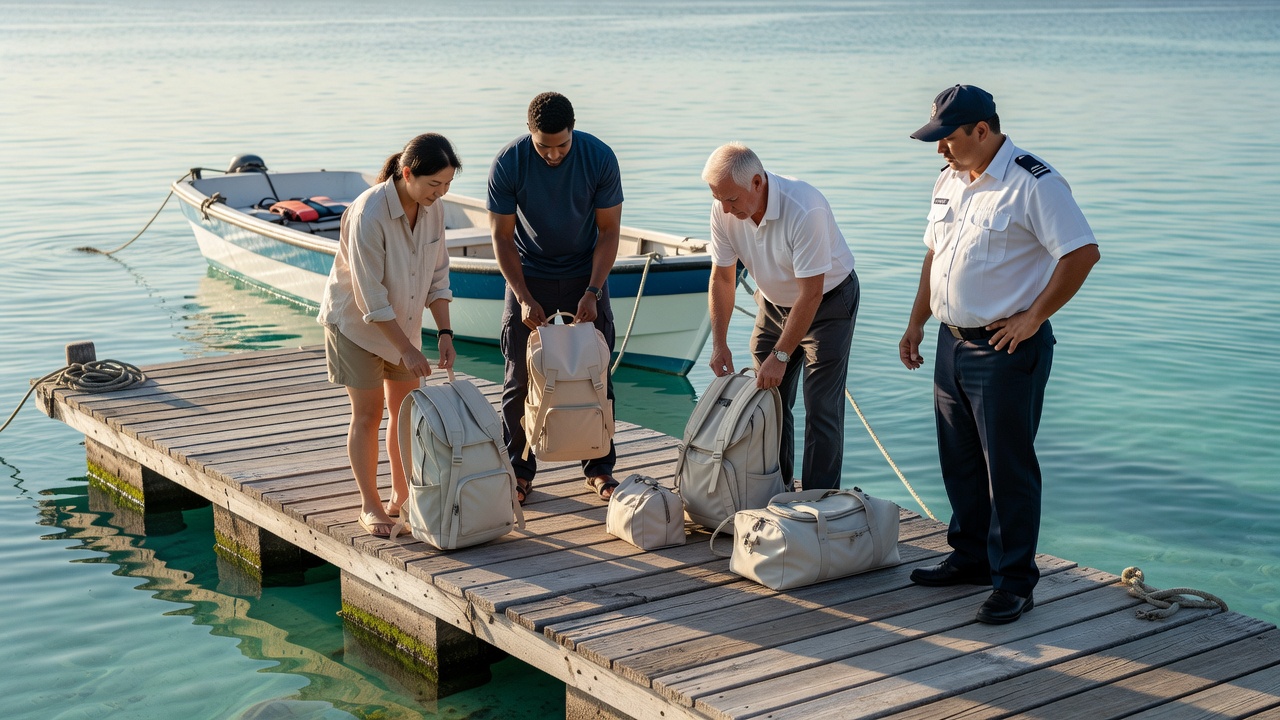
Confirm the details that belong to your flight
Ask for the exact check-in point, reporting time, contact method and confirmation process. Verify the baggage allowance for your aircraft and route, including any separate rules for hand luggage. Weight and dimensions may both matter, and allowances can differ even within one destination. If you are travelling with an infant, sports equipment, medical supplies or unusually shaped luggage, raise it early and request a clear response. Do not rely on a standard airline allowance for a small aircraft transfer.
Ask whether baggage will travel in the same aircraft, whether it may be handled separately and what you should keep with you. Keep medication, documents, valuables and essential items accessible. Pack soft and compact where the operator recommends it, but never compromise on equipment needed for health or safety. If an item cannot travel as planned, discuss alternatives before reaching the dock.
Give the clock some breathing room
Arrival and departure times can be affected by weather, air traffic, shared transfers, passenger readiness and local operations. Ask the operator what time they expect you to report and how they will notify you if plans change. When the seaplane is only one segment of a longer itinerary, allow a sensible connection buffer and consider the cost of a delay. Separate tickets generally create more exposure than a through arrangement; clarify what support exists if one segment affects another.
For an international arrival followed by a transfer, consider immigration, baggage collection, terminal distance and the possibility of a late flight. A short published connection can feel different in practice when you have to locate a counter or wait for checked bags. Where your schedule is tight, ask the transfer provider and airline directly whether the plan is realistic. If the journey ends with a seaplane and a boat, ask how long the final handover usually takes, while recognizing that timing is variable.
Pack for a small cabin and a wet edge
Choose luggage that is easy to lift and identify. A compact bag can make movement around a small cabin or pontoon less awkward, but the accepted bag size and total weight are set by the operator. Keep a simple arrival kit within permitted carry-on items: travel documents, essential medication, a phone, sun protection and any immediate care items for children. Protect electronics from spray with a suitable case, and follow the crew’s instructions about where bags are stowed.
Wear clothing that suits a warm, exposed arrival and footwear that feels secure underfoot. The landing may be followed by a boat ride or a short walk, so avoid assuming the cabin-to-room route is dry and level. If you need help with steps, transfers, seating or luggage handling, describe the requirement when arranging travel. Confirm the assistance for each part of the itinerary rather than assuming one team coordinates every handover.
Plan for change, not just the ideal case
Ask what happens if weather prevents a flight, a departure is delayed or baggage cannot be carried on the same service. Identify the official contact for updates, and keep it available offline as well as on your phone. If your accommodation or onward booking must be changed, know who to contact and what information they will need. Consider a flexible first evening rather than booking a time-sensitive experience immediately after a remote transfer.
Do not pressure a pilot or crew to depart when conditions are unsuitable. The FAA’s Seaplane Handbook describes the distinct operational considerations of water flying. The decision to proceed rests with the operator and pilot; flexibility is part of responsible travel, not an optional courtesy.
Make a concise travel note
Keep a plain-language note with your report point, confirmation contact, baggage rules, destination landing place and onward transfer. Include the name of the person or team expecting you. Share relevant details with your travel companion, but avoid putting sensitive personal information in a message that could be widely forwarded. If details change, replace the old version and make sure everyone is working from the same confirmation.
A relaxed transfer is rarely effortless by accident. It comes from clear questions, realistic timing and attention to the people who make each link work. Confirm what is specific to your route, keep essentials within reach and preserve room for the unexpected. Then you can give more attention to the water, the arrival and the place waiting beyond the dock.